 Pin This
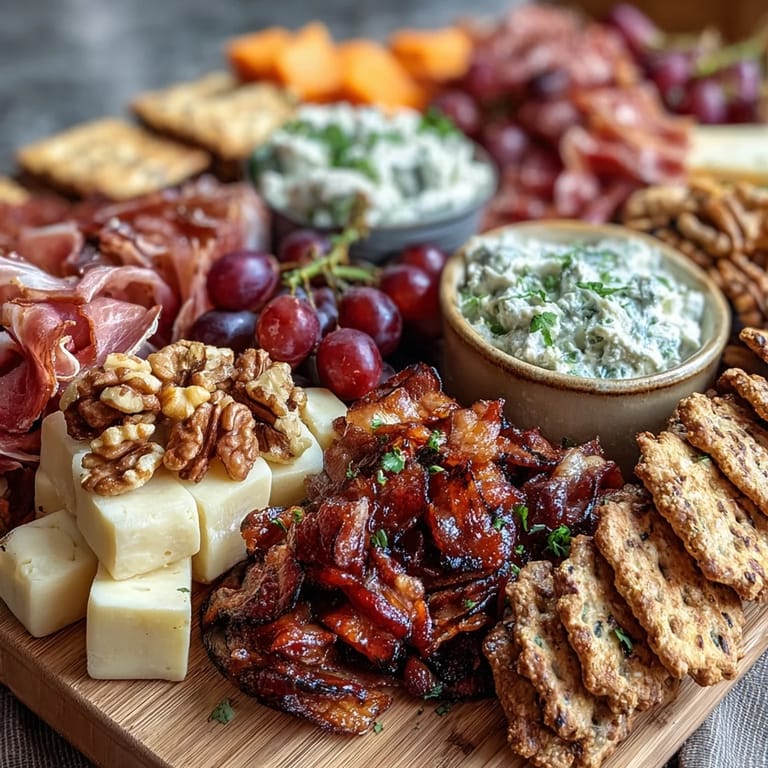
 My neighbor knocked on my door with a bottle of wine tucked under her arm, grinning like she'd won the lottery. She'd just closed on her first house three blocks over, and I was invited to celebrate that evening with a handful of friends. I suddenly realized I had nothing in my kitchen that felt special enough for the occasion, so I did what I always do when panic sets in—I built a board. That evening, watching people I cared about clustered around a wooden platter piled with cured meats, creamy cheeses, and colorful vegetables, I understood something simple: the best parties aren't about fancy cooking. They're about giving people permission to eat exactly what makes them happy.
I'll never forget my sister arriving early that housewarming party, rolling her eyes at the spread and then standing by it for the entire evening, sneaking prosciutto when she thought no one was looking. By the end of the night, the only thing left untouched was one lonely cracker and half the blue cheese. Someone's husband asked for the recipe, which made me laugh because there isn't one—it's just permission to trust your instincts about what tastes good together.
Ingredients
- Prosciutto: Buy it sliced fresh from the deli counter if you can; it tastes nothing like the pre-packaged kind and drapes beautifully on the board.
- Salami: Look for varieties with some character—spicy sopressata or fennel-touched soppressata keeps things interesting.
- Smoked ham: This bridges the gap between familiar and adventurous, so no one feels left out.
- Chorizo slices: Let them sit out for 10 minutes so they soften slightly and their spice opens up.
- Brie: Choose one that's ripe but not weeping; if it's too soft, it'll collapse in the heat of the room.
- Aged cheddar: The sharpness cuts through the richness of the meats and keeps your palate from getting bored.
- Gouda: Its subtle sweetness pairs unexpectedly well with both grapes and olives.
- Blue cheese: Crumble it finely so it doesn't feel intimidating to people who've never tried it before.
- Hummus: Make your own if you have time, but good store-bought works; it's the tahini that matters.
- Tzatziki: The cool creaminess stops the board from feeling heavy, especially important when there's so much meat.
- Roasted red pepper dip: This is your secret weapon—it bridges gaps between different flavor camps and disappears first.
- Assorted crackers: Mix textures deliberately—delicate water crackers with soft cheese, sturdy multigrain with the dips.
- Baguette slices: Toast them lightly right before serving so they hold up better under the weight of toppings.
- Breadsticks: They're mostly visual, but they add height and movement to the arrangement.
- Red and green grapes: Their sweetness and juice punctuate the saltiness of the meats in a way that feels like a palate reset.
- Cherry tomatoes: Choose smaller ones; they feel less aggressive than full-sized tomatoes on a grazing board.
- Cucumber slices: Pat them dry before placing them so they don't make the board soggy.
- Bell pepper: Slice it into strips rather than rings; they're easier to grab and look more intentional.
- Baby carrots: Their natural sweetness echoes the grapes and adds a subtle crunch.
- Mixed nuts: Toast them lightly if they're raw; this deepens their flavor and makes them feel like an ingredient rather than just filler.
- Olives: Buy them pitted or pit them yourself—there's nothing quite like a guest discovering a pit mid-bite.
- Dried apricots and figs: These add chewiness and a concentrated sweetness that balances salty meats perfectly.
- Fresh herbs: Rosemary and thyme aren't just garnish—they're edible, aromatic, and they make the whole board smell like celebration.
Tired of Takeout? 🥡
Get 10 meals you can make faster than delivery arrives. Seriously.
One email. No spam. Unsubscribe anytime.
Instructions
- Start with the foundation:
- Arrange your cured meats first, creating loose, careless folds across roughly one third of the board. They're the stars, so give them room to breathe and be noticed.
- Nestle in the cheese:
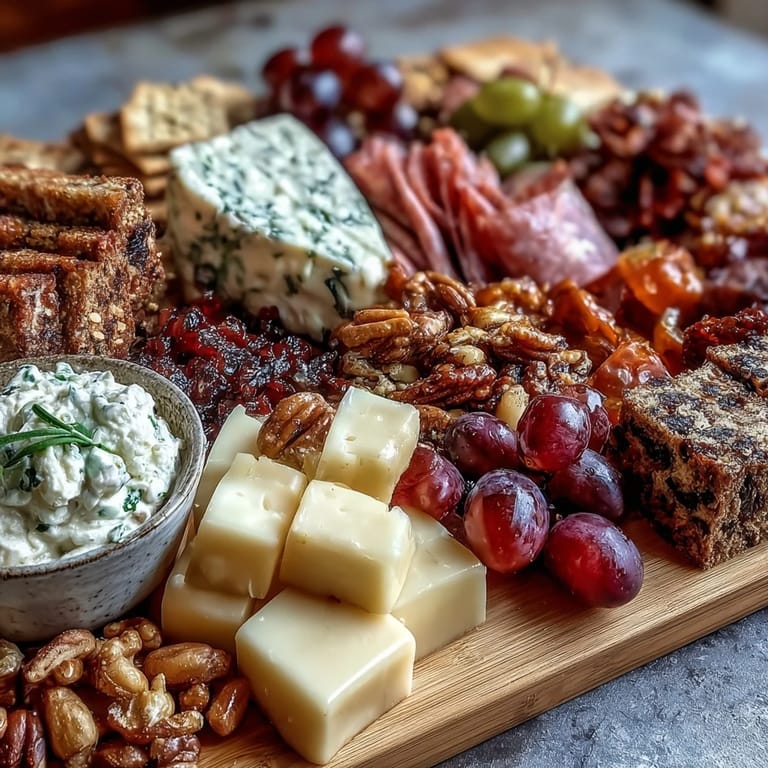
- Place each cheese type in its own section so flavors don't blur together. The brie should have breathing room, the blue cheese its own corner, and the hard cheeses scattered where they won't get lost.
- Introduce the dips:
- Pour each dip into a small bowl and sink them into gaps like islands. Arrange serving spoons right beside them so people don't hesitate to dig in.
- Fan out the crackers and bread:
- Don't just dump them in a pile. Layer baguette slices in one flowing section, stand breadsticks upright in a glass or cluster, and arrange crackers in overlapping rows so the patterns are visually interesting.
- Fill the spaces with produce:
- This is where color really happens. Distribute grapes in small clusters, scatter cherry tomatoes and cucumber slices, and arrange bell pepper strips in a way that catches light. Your board should look like a still life painting where nothing is accidental.
- Add crunch and texture:
- Toss nuts, olives, and dried fruits into the remaining gaps in small piles rather than one massive heap. This creates visual rhythm and makes the board feel generous without looking chaotic.
- Finish with fragrance and polish:
- Tuck sprigs of fresh rosemary and thyme throughout the board. They'll perfume the air and signal that someone put real thought into this.
- Serve and monitor:
- Bring it out when guests arrive so they can see it in its full glory. Keep extra meats, cheeses, and crackers nearby—the board will need refreshing within 30 minutes if people are actually enjoying themselves.
 Pin This
 What surprised me most that evening wasn't how quickly the board emptied, but how it created these small moments of connection. My sister discovered she actually loved blue cheese. Someone's kid found out that dried figs were the best thing he'd ever tasted. A guest mentioned that she'd been too nervous to try hummus before, but something about the way it was presented made her feel brave enough. The board became less about feeding people and more about expanding what they were willing to try.
The Art of Arrangement
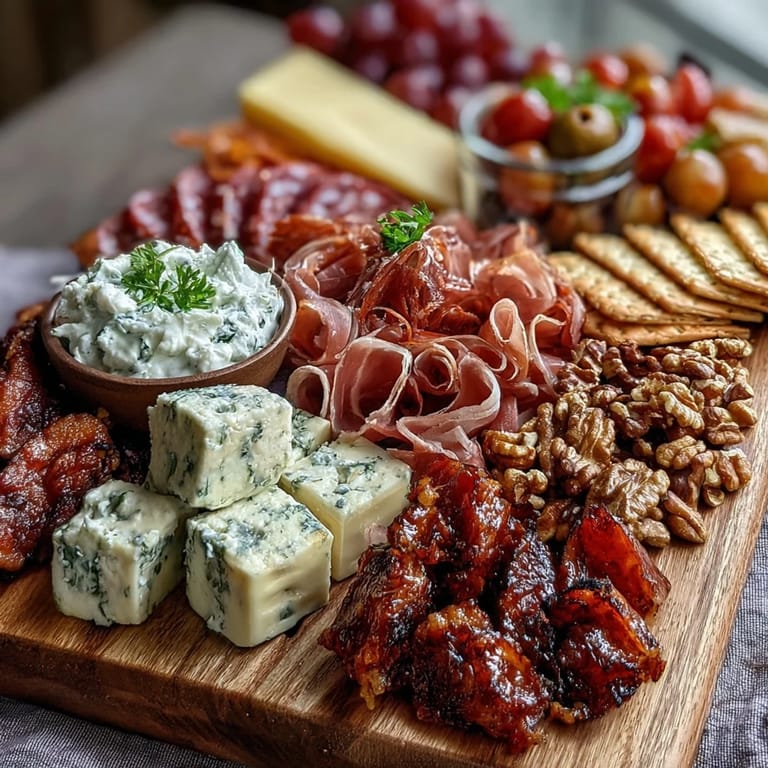
There's real strategy to how a charcuterie board works, even though it looks effortless. I used to just throw things on a platter and hope for the best, but I learned that proportion matters—cheeses should take up about a third of the space, meats another third, and everything else fills the gaps with intention. The board should look abundant but not suffocating, organized but not so rigid that it screams perfectionism. Think of it like composing a photograph where every element plays a role in drawing the eye somewhere beautiful.
Pairing and Balance
The magic happens when you think about flavor combinations rather than just pretty colors. Soft cheeses want delicate crackers and jammy dried fruit. Hard, sharp cheeses can stand up to something textured and hearty. Meats lean on the dips to cut through their salt, and vegetables offer a palate refresh that keeps people coming back for more. I always taste a little piece of everything together before guests arrive—a bite of brie with prosciutto and a grape, for example—just to make sure the flavors actually want to be in the same mouth.
Timing and Temperature
I learned the hard way that temperature changes everything. Cheese that tastes incredible at room temperature can turn waxy and one-dimensional when it's cold. Meats lose their tender, delicate quality if they're icy. On the flip side, if your board sits out too long on a warm evening, the cheese becomes a slippery mess and the crackers start to soften. I usually bring my board out about 15 minutes before people arrive, and I keep a mental clock—if we're going longer than two hours, I'll refresh the cheese and meats with a fresh arrangement.
- Check your kitchen temperature before you arrange; if it's warm, keep cheeses slightly cooler and refresh them midway.
- Toast your bread just before serving so it stays crispy enough to carry toppings without breaking.
- Keep extra nuts and dried fruit in reserve so the board always looks intentional even as people help themselves.
 Pin This
 These boards aren't just about food—they're about creating a moment where people slow down and connect. I still make one whenever something worth celebrating happens, and I think of my neighbor every time I fold prosciutto or arrange cheese. Sometimes the most meaningful meals are the ones that take 25 minutes to assemble.
Frequently Asked Questions
- → How do I arrange the meats and cheeses on the board?
Fold or roll cured meats loosely and place them in sections. Distribute cheeses evenly around the board, allowing easy access and variety.
- → What dips complement the charcuterie selections best?
Hummus, tzatziki, and roasted red pepper dip add creamy, tangy, and smoky flavors that pair well with meats and cheeses.
- → Can I customize the board for dietary preferences?
Yes, substitute meats or cheeses as needed, and include gluten-free crackers or vegetarian-friendly options.
- → What fresh produce works well to enhance the board?
Grapes, cherry tomatoes, cucumber slices, bell peppers, and baby carrots add color, crunch, and freshness.
- → How should nuts and dried fruits be incorporated?
Scatter mixed nuts, olives, dried apricots, and figs in small clusters to balance textures and flavors across the board.
- → What drinks pair nicely with this board?
A crisp white wine or a light red wine complements the variety of flavors and textures beautifully.