 Pin This
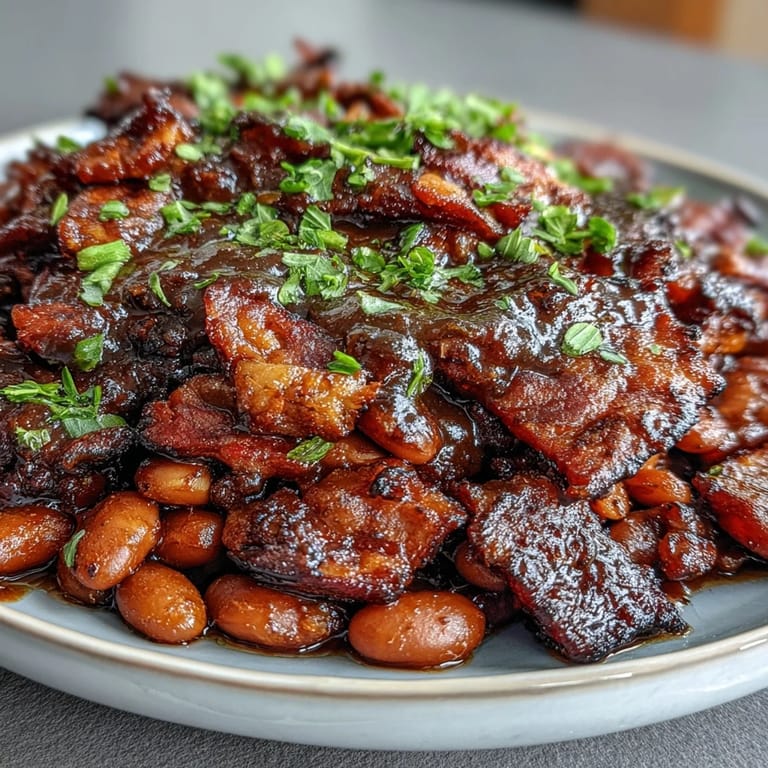
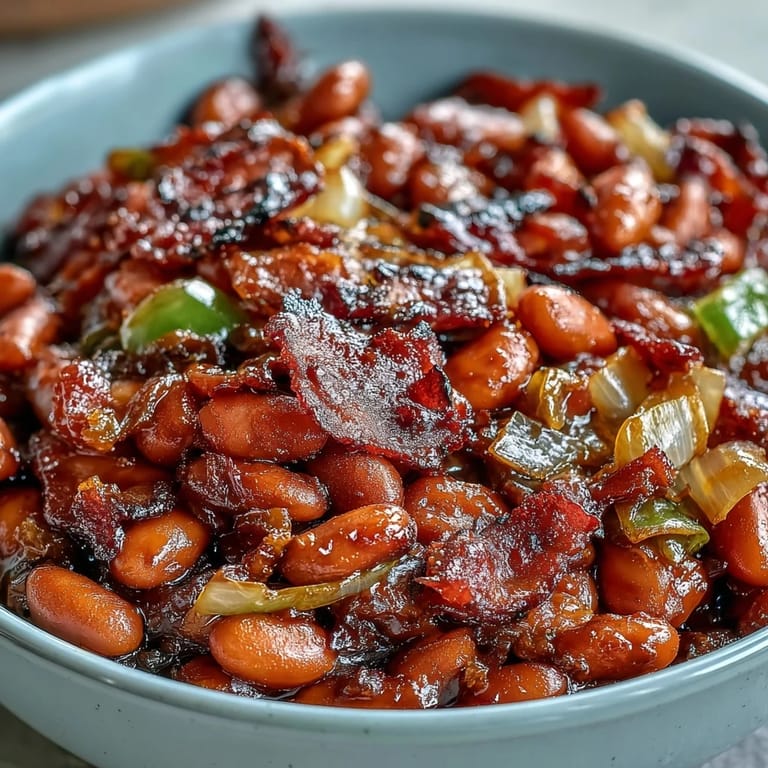
 My neighbor Marcus showed up to a Fourth of July potluck with a casserole dish of baked beans that disappeared faster than the fireworks, and when I asked for the recipe, he laughed and said it was just his grandmother's method with a few tweaks. That same summer, I decided to master my own version in my tiny apartment kitchen, and the smell of bacon and molasses simmering in my oven became the unofficial signal to my friends that something delicious was happening. Now these beans are my non-negotiable contribution to every backyard gathering, and I've learned that the real magic is in letting the sauce reduce slowly until it coats each bean like liquid gold.
I made this for my dad's birthday barbecue two summers ago, and he ate three full servings without realizing it, then asked if I'd added crack to the beans or something—that's when I knew I'd nailed it. My mom was skeptical about the combination of brown sugar and Worcestershire at first, but by the end of the night she was asking for the recipe to make for her book club potluck. Those beans somehow became the dish people specifically request now, which feels absurd but also deeply satisfying.
Ingredients
- Canned navy beans (4 cups, about 2 cans): Drain and rinse them thoroughly to remove excess sodium and that tinny canned taste—this single step makes the whole dish taste homemade.
- Thick-cut bacon (8 slices, chopped): Thick-cut matters because thin bacon becomes almost invisible during baking; you want those meaty pieces to stay distinct and smoky.
- Yellow onion (1 medium, finely diced) and green bell pepper (1, finely diced): These two create the savory backbone that keeps the dish from being just sweetness and smoke.
- Ketchup (3/4 cup): This is your tomato anchor and natural sweetness carrier—don't skip it thinking tomato paste will work the same way.
- Dark brown sugar (1/2 cup, packed): Pack it down in the measuring cup so you get the real weight; loose brown sugar will leave you short on sweetness.
- Molasses (1/4 cup): This adds depth and a slight bitterness that keeps the dish from tasting like dessert beans.
- Dijon mustard (2 tablespoons) and Worcestershire sauce (2 tablespoons): Together these create an umami punch that makes people wonder what the secret ingredient is.
- Apple cider vinegar (1 tablespoon): The vinegar cuts through the richness and prevents the beans from feeling heavy in your stomach.
- Smoked paprika (1 teaspoon), garlic powder (1/2 teaspoon), black pepper (1/2 teaspoon), salt (1/4 teaspoon), and cayenne (1/4 teaspoon optional): Layer these spices gradually and taste as you go—the heat should creep up on you, never assault you.
Tired of Takeout? 🥡
Get 10 meals you can make faster than delivery arrives. Seriously.
One email. No spam. Unsubscribe anytime.
Instructions
- Get your oven warming and bacon sizzling:
- Preheat to 350°F while you chop the bacon into bite-sized pieces—you want them to render down but stay slightly chewy. Cook the bacon in your oven-safe skillet over medium heat until it's crispy and the fat is shimmering, then fish it out with a slotted spoon and set it on a paper towel while you leave about 2 tablespoons of that golden fat behind.
- Wake up the vegetables:
- Dice your onion and green bell pepper into small, uniform pieces so they soften evenly, then sauté them in that bacon fat for about 4 to 5 minutes until they're soft and starting to turn translucent. You should be able to smell the sweetness developing as the onion caramelizes just slightly.
- Build the sauce and bring everything together:
- Dump in your drained beans and return the cooked bacon to the pan, then pour in all the sauce ingredients—ketchup, brown sugar, molasses, mustard, Worcestershire, vinegar, and all those spices. Stir everything until the beans are completely coated and the sauce looks shiny and unified, about 2 minutes of stirring.
- Start the simmer:
- Let the mixture bubble gently on the stovetop for just a minute or two to warm everything through, then take it off the heat. If you're not using an oven-safe skillet, transfer everything to a baking dish now and sprinkle those reserved bacon pieces over the top like a crown.
- Let the oven work its magic:
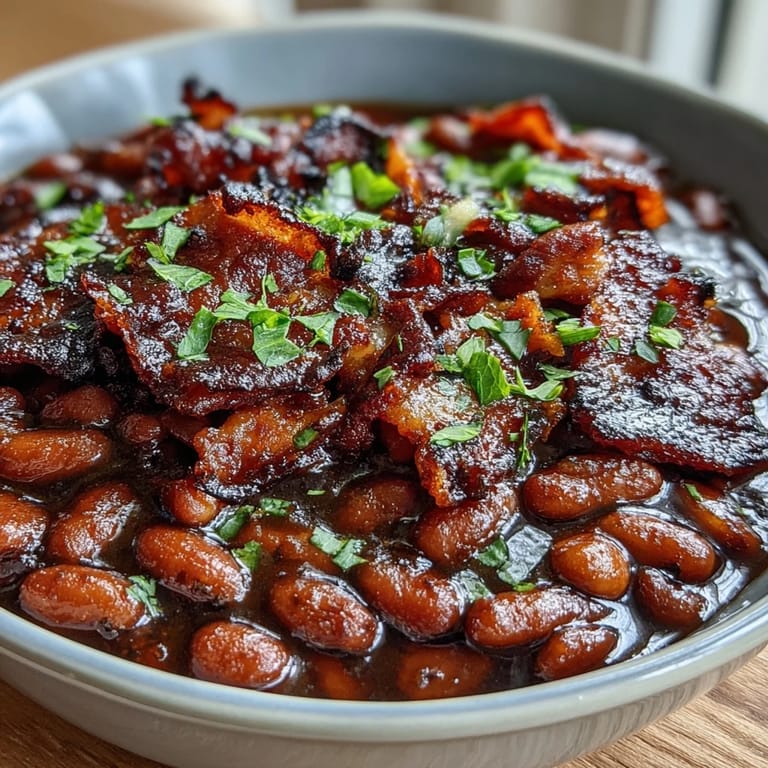
- Bake uncovered for a full hour at 350°F, until the sauce is bubbling around the edges and has thickened into something that clings to a spoon. The top should look slightly caramelized and the aroma will fill your entire house, which is when you know you're close to finished.
- Rest before the grand reveal:
- Pull the beans from the oven and let them sit for about 10 minutes so the sauce sets just slightly and the beans absorb all those flavors one last time. This cooling period also prevents anyone from burning their mouths, which is always appreciated.
 Pin This
 My friend Sarah brought her new boyfriend to a cookout where I served these beans, and later she told me he spent more time talking about them than about the grilled steaks, which I still tease her about. But honestly, that's when I realized these beans had transcended being just a side dish—they'd become something that brings people together, something that makes a meal feel intentional and thoughtful.
The Chemistry of Sweet and Smoky
The reason these beans work so well is that they're playing with three flavor profiles simultaneously: the sweetness of brown sugar and molasses, the savory depth of bacon and Worcestershire, and the tanginess of apple cider vinegar and ketchup. When you balance them correctly, none of them overpowers the others—instead they create this full-bodied taste that keeps you coming back for another spoonful. I learned this the hard way by making batches that were too sweet (no vinegar) or too bitter (too much Worcestershire), and now I always start conservative with the aggressive flavors and adjust upward.
Why This Works as a Crowd Pleaser
Baked beans are one of those dishes that almost nobody actively dislikes, which makes them invaluable for potlucks and family gatherings where you don't know everyone's preferences. The bacon appeals to the meat-lovers, the brown sugar satisfies anyone with a sweet tooth, and the complex sauce satisfies people who want something that tastes like actual cooking happened. I've served these alongside everything from burgers to grilled fish to vegetarian spreads, and they never feel out of place.
Storage, Leftovers, and Make-Ahead Tips
These beans actually taste better the next day after the flavors have settled and merged together, so there's no penalty for making them ahead. I usually prepare them in the morning, let them cool completely, cover the baking dish tightly, and refrigerate until it's time to reheat gently in the oven at 325°F for about 20 minutes until warmed through. They'll keep safely refrigerated for up to 4 days, and honestly, I've been known to eat cold beans straight from the container standing at my fridge at midnight.
- Freeze leftovers in individual portions for quick lunch additions throughout the month.
- If reheating from cold, add a splash of water or broth to loosen up the sauce before warming.
- These beans are incredible alongside leftover pulled pork or hot dogs, transforming a simple meal into something that feels intentional.
 Pin This
 These beans have become my signature dish, the one people mention when they're planning their own gatherings and want to know what I'm bringing. There's something beautifully simple about showing up with a warm casserole dish of something you made with your own hands, watching people discover they love it, and knowing you've contributed something real to the table.