 Pin This
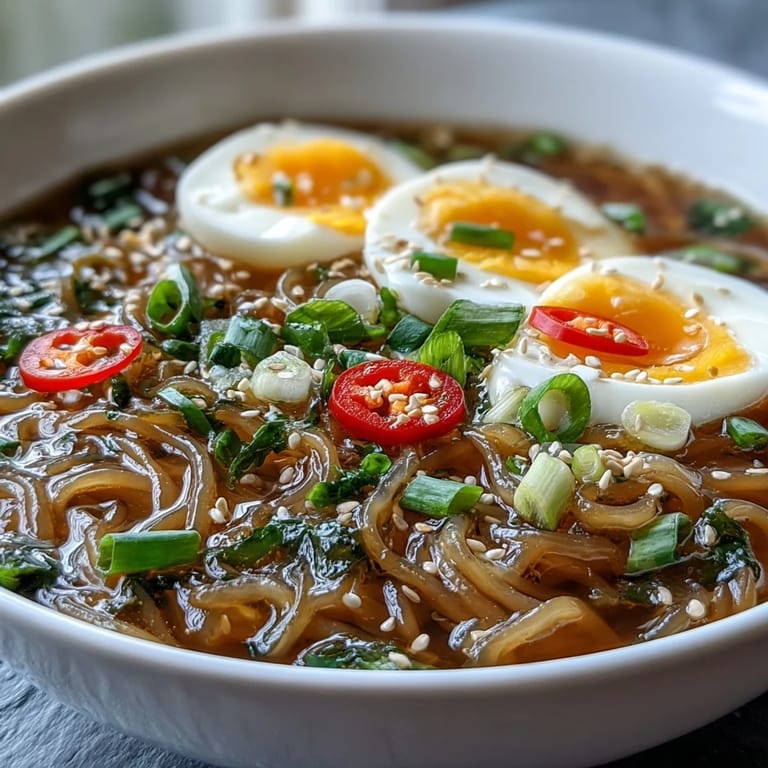
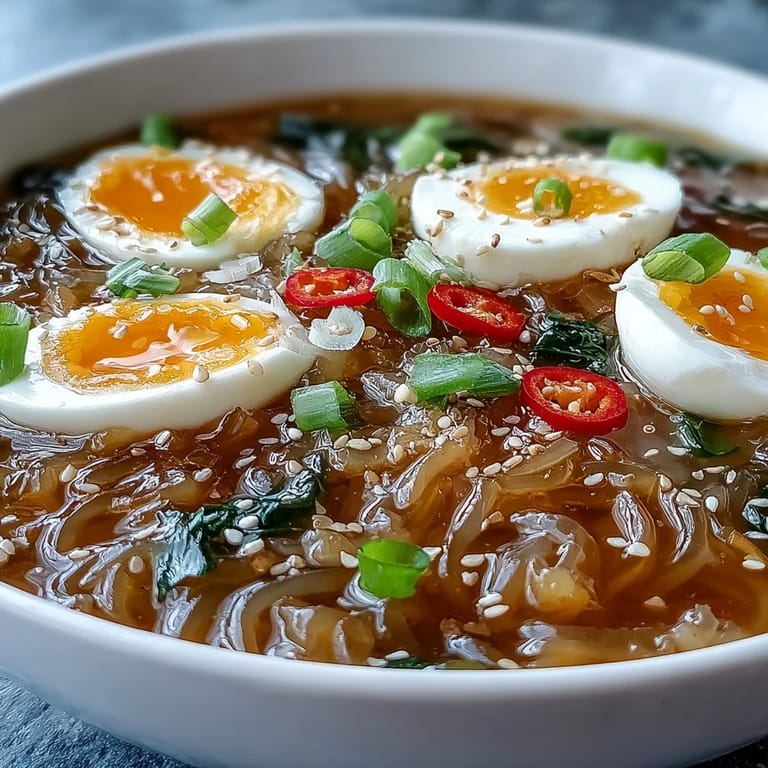
 A comforting bowl of zero-carb shirataki noodles simmered in a rich, warming bone broth, perfect for a light yet satisfying meal. This Asian-inspired dish brings together the deep flavors of ginger, garlic, and sesame oil to transform simple konjac noodles into a gourmet experience that is as healthy as it is delicious.
Pin This Shirataki noodles are a fantastic pantry staple for anyone looking to reduce carbs without sacrificing the joy of a noodle soup. When paired with a high-quality bone broth, they absorb the aromatic notes of the spices, making every bite flavorful and comforting. Whether you choose beef or chicken broth, the result is a nutrient-dense meal that satisfies.
Ingredients
Tired of Takeout? 🥡
Get 10 meals you can make faster than delivery arrives. Seriously.
One email. No spam. Unsubscribe anytime.
- Broth: 4 cups (1 liter) high-quality bone broth (beef or chicken), 1 thumb-sized piece fresh ginger (sliced), 2 cloves garlic (smashed), 2 tablespoons soy sauce or tamari, 1 tablespoon rice vinegar, 1 teaspoon sesame oil
- Noodles: 400 g (14 oz) shirataki noodles (drained and rinsed)
- Toppings (optional): 2 soft-boiled eggs (halved), 1 small spring onion (thinly sliced), 1 small red chili (thinly sliced), fresh coriander or parsley (chopped), toasted sesame seeds
Instructions
- Step 1: Prepare the Broth Base
- In a medium pot, combine the bone broth, ginger, garlic, soy sauce, rice vinegar, and sesame oil. Bring the mixture to a gentle boil over medium heat.
- Step 2: Infuse the Flavors
- Reduce the heat and let the broth simmer for 10 minutes, allowing the ginger and garlic to fully infuse the liquid with flavor.
- Step 3: Prepare the Noodles
- While the broth simmers, drain and thoroughly rinse the shirataki noodles under cold water. Place them in a sieve or colander and pour boiling water over them to remove any natural odor.
- Step 4: Combine and Heat
- Add the rinsed noodles to the simmering broth and heat through for 2–3 minutes.
- Step 5: Finish the Soup
- Carefully remove the ginger and garlic slices from the broth using a ladle or spoon.
- Step 6: Portion
- Divide the noodles and the aromatic broth evenly between two serving bowls.
- Step 7: Add Toppings
- Top each bowl with optional soft-boiled egg halves, spring onion, chili, fresh herbs, and sesame seeds as desired.
Zusatztipps für die Zubereitung
To ensure the best texture and taste, do not skip the boiling water rinse for the shirataki noodles; this is the secret to removing the earthy scent of the konjac root. Using a high-quality bone broth without added sugars will provide the most health benefits and the cleanest flavor profile.
Varianten und Anpassungen
For a soy-free version, replace the soy sauce or tamari with coconut aminos. If you need extra protein, shredded cooked chicken or firm tofu make excellent additions. For those following a strictly vegetarian diet, use a rich vegetable broth and swap the eggs for extra vegetables or tofu.
Serviervorschläge
Serve this dish immediately while steaming hot. Adjust the seasoning with a pinch of salt or an extra splash of soy sauce to suit your taste. The optional red chili and fresh coriander provide a vibrant pop of color and a fresh kick that balances the richness of the bone broth perfectly.
 Pin This
 This Shirataki Noodles with Broth recipe is a testament to how simple ingredients can create a deeply satisfying and nourishing meal. It’s a perfect addition to your weekly rotation whenever you need something warm, light, and full of Asian-inspired flavor.
Frequently Asked Questions
- → What do shirataki noodles taste like?
Shirataki noodles have a neutral taste that readily absorbs the flavors of the broth they're cooked in. They have a slightly gelatinous texture similar to glass noodles but with virtually no calories or carbohydrates.
- → Do I need to prepare shirataki noodles before cooking?
Yes, always drain and rinse shirataki noodles thoroughly under cold water, then pour boiling water over them in a sieve. This removes any natural odor and ensures they taste clean and ready to absorb your broth.
- → Can I make this vegetarian?
Absolutely. Substitute the bone broth with a high-quality vegetable broth and replace any egg toppings with tofu or extra vegetables. The seasonings remain the same for full flavor.
- → How long will the broth keep in the refrigerator?
The cooked broth will stay fresh for 3-4 days when stored in an airtight container in the refrigerator. However, it's best enjoyed fresh as the noodles may become soft over time. Reheat gently on the stove.
- → What other proteins work well in this bowl?
Shredded cooked chicken, sliced pork belly, pan-seared tofu, or even poached shrimp make excellent additions. Add them during the last few minutes of cooking so they heat through without overcooking.