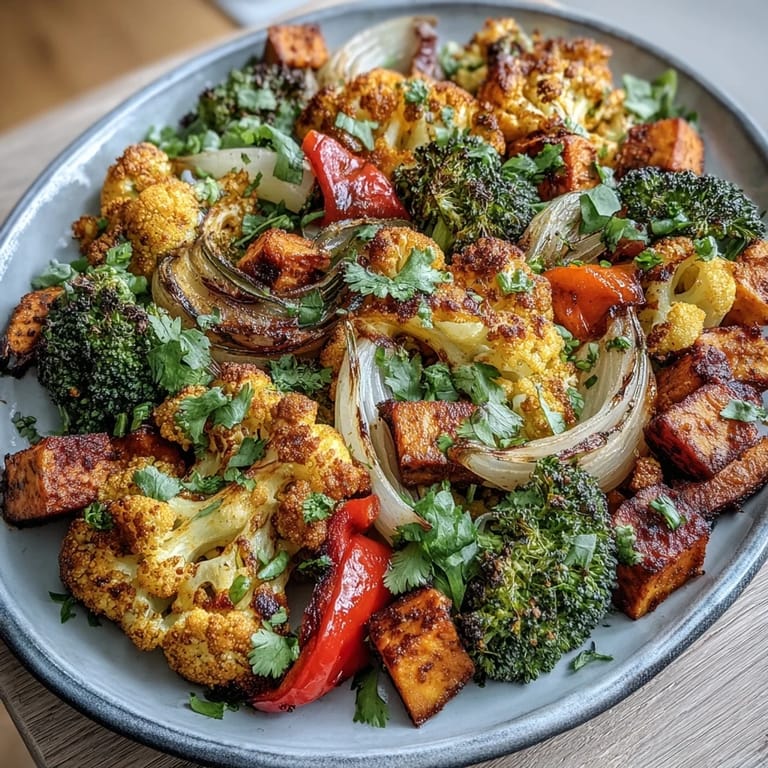
 Pin This
 There's something about the smell of turmeric hitting a hot oven that makes me feel like I'm actually taking care of myself. My sister swore by these roasted vegetables after trying them at a wellness retreat, and when she described the golden edges and how the spices just bloomed in the heat, I had to recreate it in my own kitchen. The first batch I made was a little timid with the seasoning, but by the second round, I realized these vegetables wanted to be bold and unapologetic. Now they're what I reach for when I want something nourishing that doesn't taste like punishment.
I made this for a potluck once when I was feeling uncertain about what to bring, and honestly, it was the dish people kept going back to. Someone asked if I'd made it with turmeric and ginger and honey, like they were trying to decode some secret ingredient, but it was just good technique and not being shy with the spices. Watching people actually enjoy vegetables I'd roasted felt like a small victory that day.
Ingredients
- Cauliflower florets and broccoli florets (4 cups total): These cruciferous powerhouses get wonderfully nutty when roasted, and their florets catch the spice mixture like little flavor sponges.
- Sweet potato, peeled and cubed (1 large): The natural sweetness balances the earthy turmeric beautifully, and it becomes almost caramelized at the edges.
- Carrots, sliced (2 medium): I learned to slice them on a slight bias so they roast evenly without some pieces turning to mush while others stay too firm.
- Red bell pepper, cut into chunks (1): This adds brightness and a slight sweetness that makes the whole dish feel less austere.
- Red onion, cut into wedges (1 small): The red variety stays more intact than yellow onions and adds a touch of sharpness that keeps things interesting.
- Extra-virgin olive oil (2 tbsp): Quality matters here because it's one of the few ingredients doing real flavor work.
- Ground turmeric (1 ½ tsp): This is the star, and the amount feels just right once you accept that turmeric wants to announce itself.
- Ground cumin (1 tsp): It adds a warm, almost toasty depth that keeps the turmeric from feeling one-dimensional.
- Ground coriander (½ tsp): A subtle note that reminds me why these spices have been paired together for centuries.
- Smoked paprika (½ tsp): This gives a hint of smokiness without overwhelming the dish.
- Ground black pepper (¼ tsp): Black pepper isn't just a background player here, it actually helps your body absorb the turmeric.
- Sea salt (¾ tsp): I use sea salt because it feels less harsh than table salt, though either works.
- Lemon juice (1 tbsp): This brightens everything at the end and cuts through the richness of the oil and spices.
- Fresh cilantro or parsley, chopped (2 tbsp, optional): I usually add it because the fresh herb note feels celebratory against the warm spices.
Tired of Takeout? 🥡
Get 10 meals you can make faster than delivery arrives. Seriously.
One email. No spam. Unsubscribe anytime.
Instructions
- Get your oven ready and prep the vegetables:
- Preheat to 425°F and line your baking sheet with parchment paper so nothing sticks. While it's heating, cut all your vegetables into similar-sized pieces so they roast at roughly the same rate, which I learned the hard way after some pieces turned to charcoal.
- Combine your vegetables in one bowl:
- Toss all your prepared vegetables together in a large bowl so you have everything in one place and ready to be coated. This takes maybe two minutes and makes the next step so much easier.
- Mix the spice coating:
- In a small bowl, whisk together the olive oil, turmeric, cumin, coriander, paprika, pepper, and salt until everything is blended smoothly. You want the oil and spices to emulsify slightly so they coat evenly rather than just sitting on top of the vegetables.
- Coat the vegetables thoroughly:
- Pour the spice mixture over the vegetables and toss everything together, using your hands if you need to, making sure every piece gets touched by the golden coating. Take your time here because every corner that gets missed will roast less dramatically.
- Spread them out for roasting:
- Transfer the vegetables to your prepared baking sheet in a single layer, trying not to overcrowd the pan because they need space to caramelize rather than steam. If they're piled on top of each other, you'll end up with softness instead of those crispy edges.
- Roast and stir halfway:
- Pop them in the oven for 25 to 30 minutes, stirring everything around the halfway mark so the pieces that were on the bottom get their turn on the hot pan. You'll know they're done when the edges look golden and slightly crisped and a fork goes through the sweet potato easily.
- Finish with brightness and herbs:
- Remove from the oven and immediately drizzle with lemon juice, tossing gently so the acid coats everything, then top with fresh cilantro or parsley if you have it. The lemon makes this feel fresh and alive rather than heavy.
- Serve with intention:
- Eat them warm as a side dish, or pile them over grains like quinoa or brown rice to turn it into a complete meal.
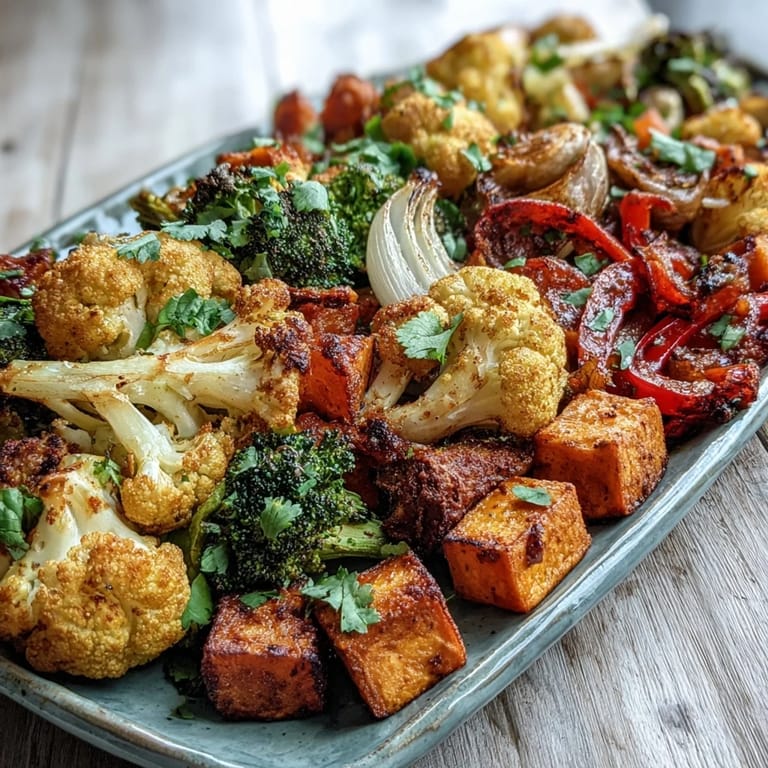 Pin This
 My partner actually said these tasted like I was trying to do something nice for them, which isn't the kind of compliment recipes usually get. Something about the combination of nourishing ingredients and bold flavors made eating vegetables feel less like an obligation and more like an act of self-respect.
Why These Spices Matter
Turmeric gets all the attention for being anti-inflammatory, but it's honestly a bit bitter on its own and needs friends to make it shine. The cumin, coriander, and paprika aren't just background noise, they actually make the turmeric taste richer and less medicinal. When I was experimenting with different amounts, I realized that these spices are basically a flavor system that evolved over centuries, and trying to skip any of them made the whole thing feel incomplete.
The Magic of Roasting at High Heat
Roasting at 425°F isn't just a random number, it's the temperature where vegetables actually develop flavor through caramelization instead of just getting soft. I used to roast at 375°F and wondered why everything tasted so pale and steamed, then bumped up the heat and suddenly the vegetables had actual personality. The higher temperature also means the oil and spices kind of toast along with the vegetables, deepening the flavors across the board.
Ways to Make This Your Own
The beautiful thing about this recipe is that it's more of a technique than a strict formula, so you can absolutely swap vegetables based on what's in season or what you actually want to eat. I've made it with Brussels sprouts halved and tossed the same way, with chunks of butternut squash, with zucchini cut into thick coins, and even added some cubed tofu when I wanted extra protein. The spice blend works with basically any vegetable that can handle a hot oven, so don't feel locked into the exact ingredient list.
- Try Brussels sprouts, zucchini, butternut squash, or even cubed tofu for variations that still feel exciting with this spice blend.
- Serve it over quinoa, brown rice, or farro to turn it into a full meal that actually keeps you satisfied.
- A dollop of non-dairy yogurt or a squeeze of lime on top takes it to another level of complexity.
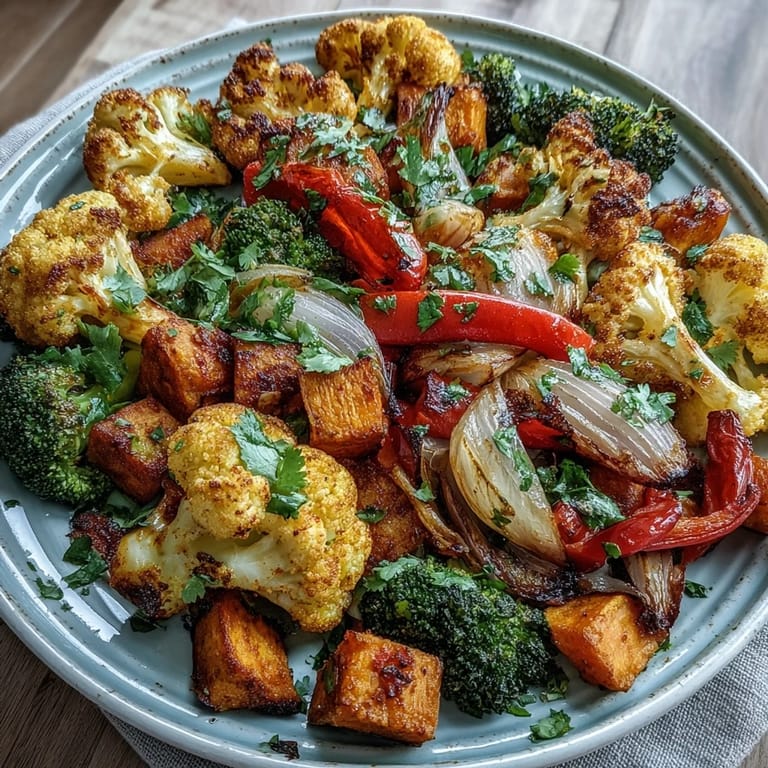 Pin This
 This recipe quietly became something I make when I want to feel like I'm doing right by myself, and somehow it tastes better because of that intention. The fact that it's also genuinely delicious and takes less than an hour feels like a bonus.
Frequently Asked Questions
- → What vegetables work best for turmeric roasting?
Hardy vegetables that hold their shape during roasting work exceptionally well. Cauliflower, broccoli, sweet potatoes, carrots, and bell peppers are ideal choices because they develop wonderful caramelization while maintaining satisfying texture. Brussels sprouts, butternut squash, and zucchini also work beautifully in this preparation.
- → Why add black pepper to turmeric vegetables?
Black pepper contains piperine, which significantly enhances your body's ability to absorb curcumin, the active compound in turmeric. This small addition makes the anti-inflammatory benefits more bioavailable while adding a subtle heat that complements the warm spice blend.
- → Can I prepare these vegetables ahead of time?
Yes, you can cut and season the vegetables up to 24 hours in advance. Store them in an airtight container in the refrigerator, then roast when ready. The flavors actually develop beautifully during this marinating time, resulting in even more flavorful vegetables.
- → What's the best temperature for roasting vegetables?
425°F (220°C) creates the perfect balance between tender interiors and crispy, caramelized edges. This high heat roasts vegetables quickly while developing deep, savory flavors. The key is spreading them in a single layer so steam can escape rather than steam the vegetables.
- → How can I serve these turmeric roasted vegetables?
These versatile vegetables shine as a colorful side dish alongside roasted chicken, grilled fish, or tofu. For a complete meal, serve over quinoa, brown rice, or farro. They're also delicious tucked into wraps, added to grain bowls, or topped with a dollop of yogurt for extra creaminess.
- → Can I use fresh turmeric instead of ground?
Fresh turmeric root works beautifully and offers a more vibrant, bright flavor. Grate about 1 tablespoon of fresh turmeric and mix it with the olive oil before tossing with vegetables. Note that fresh turmeric stains everything yellow, so handle with care and wear gloves if possible.