 Pin This
 There's something about the smell of butter and lemon zest hitting the oven that makes you feel like you've mastered something genuinely French, even if you're standing in your kitchen in sweatpants. I discovered this tart during a spring when I was convinced elegant desserts required a culinary degree—turns out, they mostly just need cold butter and patience. The filling is so silky it seems impossible until it sets, and that buttery crust shatters with the gentlest fork pressure. It became my go-to when I wanted to impress without spending hours in the kitchen.
I made this for a dinner party in May when the light stayed out until nine o'clock, and I remember my friend leaning back after dessert with that look people get when they taste something that feels like springtime on a plate. She kept saying it tasted like it came from a bakery case, which felt like the highest compliment given that I'd made it with grocery store ingredients and no fancy equipment. That night, the tart became the thing people asked for whenever they came over.
Ingredients
- All-purpose flour (1 1/4 cups): The foundation of your crust—measure by weight if you can, since a scoop-and-level can pack in too much flour and make the pastry tough and dry.
- Cold unsalted butter (1/2 cup for crust): This is non-negotiable; warm butter melts into the flour and you lose that flaky, shattered texture that makes people gasp.
- Powdered sugar (1/4 cup): A small amount dissolves into the dough and adds subtle sweetness without changing the structure the way granulated sugar would.
- Fine sea salt (1/4 tsp): Enhances both the crust and filling; don't skip it, and avoid iodized table salt which can taste sharp.
- Egg yolk (1 large): The binder that brings the dough together without making it tough like a whole egg would.
- Ice water (2–3 tbsp): Keep it genuinely cold so it doesn't warm the butter—this is your secret to a tender, flaky crust.
- Large eggs (3) and egg yolks (2 large): The filling relies on this combination for richness and structure; use the freshest eggs you can find.
- Granulated sugar (1 cup): Balances the lemon's tartness; this amount is deliberate and makes the filling set properly.
- Fresh lemon juice (2/3 cup): Bottled won't work—the flavor difference is real, and you need that acidity to set the custard.
- Lemon zest (2 tsp): This gives you those bright, fragrant flecks throughout the filling that make people ask if there's lemon extract in it.
- Melted butter (1/2 cup for filling): Adds richness and helps everything emulsify into silk; let it cool slightly before whisking into the eggs or you'll scramble them.
Tired of Takeout? 🥡
Get 10 meals you can make faster than delivery arrives. Seriously.
One email. No spam. Unsubscribe anytime.
Instructions
- Set your oven and gather cold ingredients:
- Preheat to 350°F and make sure your butter is genuinely cold—I cut mine into cubes and stick it back in the freezer for five minutes while I measure everything else. This small step changes everything about the texture you'll get.
- Build the crust in a food processor:
- Pulse flour, powdered sugar, and salt together, then add cold butter cubes and pulse until it looks like coarse breadcrumbs with some pea-sized pieces still visible. This takes about thirty seconds; over-mixing develops gluten and toughens the pastry, so stop when it still looks slightly rough.
- Bring the dough together gently:
- Add your egg yolk and two tablespoons of ice water, then pulse just until the dough barely holds together when you squeeze a bit—it should still look slightly shaggy. If it won't come together, add the extra tablespoon of water drop by drop, but resist the urge to overwork it.
- Rest the dough in the cold:
- Turn it onto a lightly floured surface, press it into a disk, wrap it in plastic, and chill for at least thirty minutes if you have time. This relaxes the gluten and makes rolling much easier, plus the cold butter stays solid longer.
- Shape the crust into your pan:
- Roll the dough between two pieces of parchment to fit your 9-inch pan, then gently press it in and trim the edges. Prick the base all over with a fork—this prevents puffing and lets steam escape evenly.
- Blind-bake for structure:
- Line with parchment and fill with pie weights or dried beans, then bake for fifteen minutes until the edges just start to color. Remove the weights and paper, bake another ten minutes until the base looks set and lightly golden, then let it cool while you make the filling.
- Whisk the filling until it's silky:
- In a large bowl, whisk eggs, egg yolks, sugar, fresh lemon juice, zest, slightly cooled melted butter, and a pinch of salt together until completely smooth and pale. This takes about two minutes and ensures everything emulsifies properly instead of separating in the oven.
- Pour and bake until barely set:
- Pour the filling into your warm crust and bake for twenty to twenty-five minutes—you want the center to jiggle just slightly when you gently shake the pan, not completely firm. It will keep cooking as it cools, and residual heat sets it to that perfect custard texture.
- Cool completely and chill before serving:
- Let it cool on a rack until it reaches room temperature, then refrigerate for at least two hours—this gives the filling time to fully set and the flavors time to deepen. Cold lemon tart tastes brighter and more refined than warm.
 Pin This
 I learned the blind-baking lesson the hard way the first time I made this, and my otherwise beautiful tart had a damp, slightly raw bottom that no amount of cooling could fix. Now I do it automatically, and I've never had that problem again—it's one of those small techniques that feels like a cheat code once you understand why it works. The filling, though, taught me something different: that restraint and patience produce silkier results than rushing, and that trusting the slight wobble in the center is actually the sign of perfection.
Building a Buttery Crust You'll Actually Want to Eat
The crust is the thing people remember most about this tart, probably because a truly crisp, butter-forward shortcrust pastry is becoming rarer. The secret lives in three places: keeping your butter cold throughout the process, not overworking the dough, and giving it time to rest in the refrigerator before baking. I've watched people's faces change when they take that first bite and feel the pastry literally shatter under their fork instead of tear or bend—that moment is worth every cold-handed minute of preparation.
The Science of a Perfect Lemon Filling
Lemon curd and lemon tart filling seem simple until you realize they're actually emulsions, which means eggs and butter have to become one smooth, cohesive thing instead of separating. The sugar helps stabilize everything, the lemon juice adds flavor and acidity to set the custard, and the melted butter being only slightly warm (not hot) means your eggs won't scramble while you're whisking. Once you understand this, you can confidently make it every time, knowing exactly why each ingredient matters and what happens if you skip a step.
Serving and Variations That Keep It Fresh
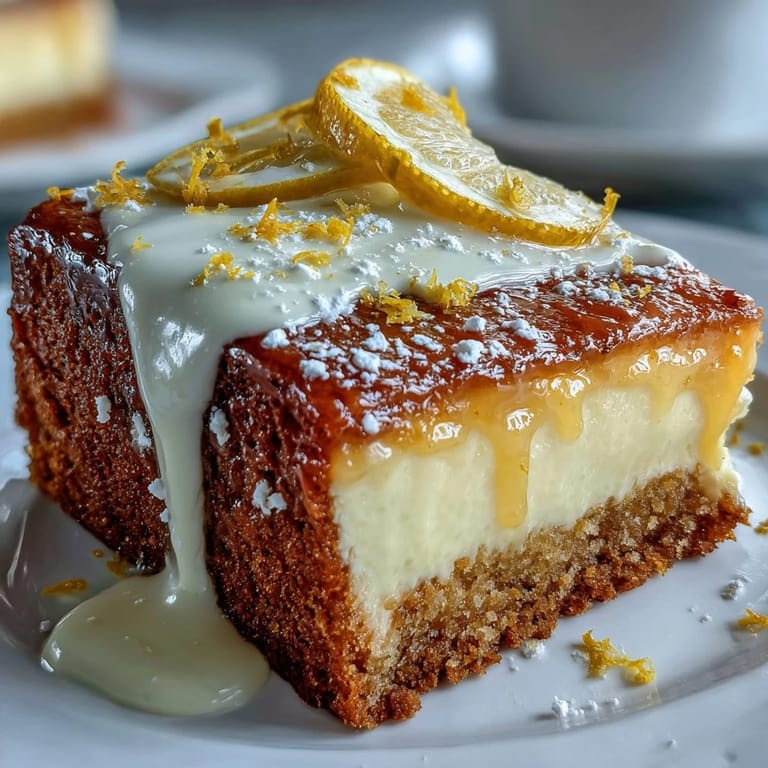
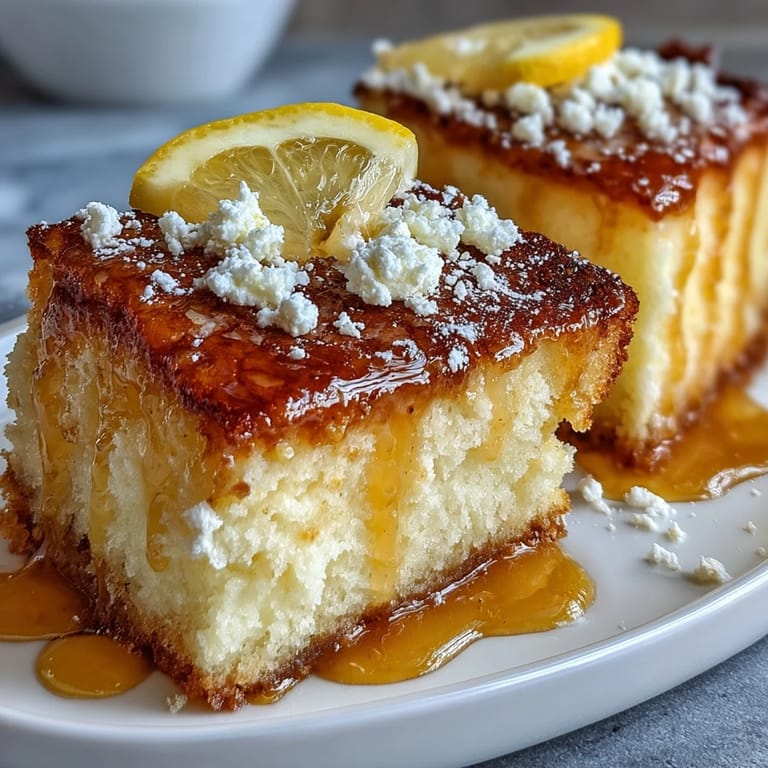
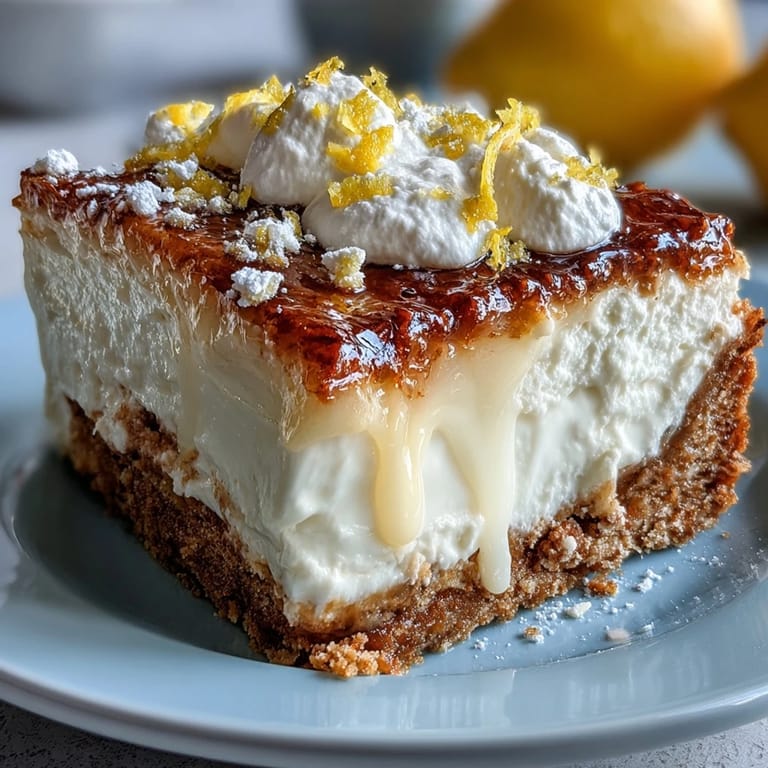
Dust this tart with powdered sugar just before serving, and watch how it catches the light—it looks more impressive than it actually is to make. Thin lemon slices or fresh berries on top turn it into something that photographs beautifully, though honestly, a slice of plain tart with good whipped cream or crème fraîche beside it is hard to beat. The filling itself is flexible: I've swapped half the lemon juice for blood orange juice in winter, and once I used lime for a completely different brightness that surprised everyone.
- A cold glass of Sauternes or sparkling wine beside a slice makes both the dessert and the wine taste better than they would alone.
- Leftover tart keeps in the refrigerator for up to three days, though it's rarely around that long.
- You can make the components a day ahead and assemble in the morning, but don't fill it more than a few hours before baking or the crust will absorb moisture.
 Pin This
 This tart has become the dessert I make when I want to feel capable and generous at the same time, when I want something that tastes refined but doesn't require hours of fussy work. It's proof that French pastry is less about magic and more about respecting ingredients and taking your time.
Frequently Asked Questions
- → How do you achieve a crisp buttery crust?
Use cold, cubed butter pulsed with flour and powdered sugar to create coarse crumbs. Chill the dough before rolling and bake with weights to maintain shape and prevent bubbling.
- → What ensures a smooth lemon filling?
Whisk fresh lemon juice and zest with eggs, sugar, and melted butter until fully combined and smooth before pouring into the crust.
- → How to know when the tart is perfectly baked?
Bake until the filling appears set but retains a slight wobble in the center to keep a creamy texture after cooling.
- → Can the tart be flavored differently?
Yes, substitute some lemon juice with blood orange or lime juice to introduce new citrus notes.
- → What garnishes complement this tart?
Dusting with powdered sugar, thin lemon slices, fresh berries, or mint leaves adds freshness and visual appeal.