 Pin This
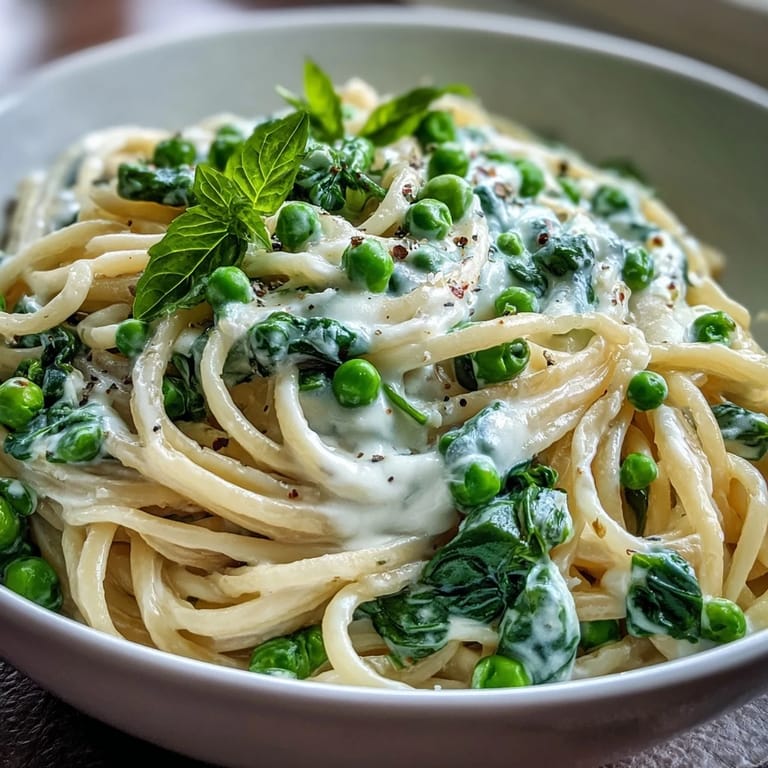
 The first time I stumbled across this spring pasta with lemon cream sauce and peas, I was standing in my kitchen, windows cracked open, and the scent of rain and cut grass drifted in. There was a rush to make something bright and cheerful, almost as if I could invite the sunshine in with food. The lemons I bought were extra fragrant, and the peas were plump, practically shouting for attention. Somehow, the simple act of zesting the lemon felt like the start of spring itself. I didn't really intend to make pasta that day, but it felt right—like a fresh start.
One evening, I tried this recipe for a small group of friends after an afternoon walk, and the laughter echoed as we waited for the pasta to boil. Someone knocked over the pepper grinder and scattered black flecks everywhere, but that didn’t stop us from tasting the sauce right out of the pan. The whole kitchen felt like a place to linger, not rush. I watched steam rise from the skillet and remembered how food, not just conversation, brings people together. We ended up leaving the door open, letting the cool spring breeze play with the scent of lemon.
Ingredients
- Linguine or Fettuccine: I like to use linguine as it holds the lemon cream just right; always salt the water generously for flavor.
- Fresh or Frozen Peas: Fresh peas pop with sweetness, but frozen will do when you’re out—the key is not to overcook them.
- Baby Spinach: Roughly chopped spinach wilts into the sauce beautifully, adding both color and tenderness.
- Fresh Chives: Chives should be finely chopped so they infuse a mild onion freshness throughout.
- Unsalted Butter: This is the base for the sauce, so let it melt slowly for extra creaminess.
- Garlic: Mince it fine and watch the aroma bloom, but don’t let it brown or turn bitter.
- Heavy Cream: Use full-fat cream to ensure the sauce is lush and silky—don’t skimp.
- Lemon Zest and Juice: The zest gives floral notes, while juice brings the brightness; zest before juicing, it’s easier.
- Grated Parmesan Cheese: Freshly grated Parmesan melts smoothly and rounds the flavor—avoid pre-shredded for best results.
- Salt and Black Pepper: Taste as you go, especially before serving.
- Extra Parmesan, Lemon Zest, Black Pepper: The finishing touches; sprinkle generously just before serving.
Tired of Takeout? 🥡
Get 10 meals you can make faster than delivery arrives. Seriously.
One email. No spam. Unsubscribe anytime.
Instructions
- Get the Pasta Rolling:
- Boil water in a large pot, add enough salt to make it taste like the sea, and cook your chosen pasta until al dente. Take a minute to scoop out a bit of the starchy water before draining—it’s liquid gold for sauces.
- Sizzle the Garlic:
- In a spacious skillet, melt butter and add garlic—listen for the gentle sizzle, then let the aroma fill the air for just one minute.
- Make it Creamy:
- Pour in heavy cream, bring it to a soft simmer, and stir in lemon zest and juice; the mixture should smell floral and cozy. Keep it gently bubbling for a couple of minutes so the flavors meld.
- Add the Peas:
- Toss in peas and allow them to cook until just tender; fresh peas need a bit more time, frozen peas are quick. Watch for their color to deepen and taste for sweetness.
- Toss Everything Together:
- Lower the heat and add in your cooked pasta, spinach, Parmesan, and chives, tossing until it’s coated. A splash of that reserved pasta water will help the sauce cling to every strand—add it gradually until it’s as creamy as you wish.
- Finish and Serve:
- Season generously with salt and pepper, then pile onto plates. Don’t forget the extra Parmesan, a sprinkle of lemon zest, and a few turns of black pepper for that finishing flourish.
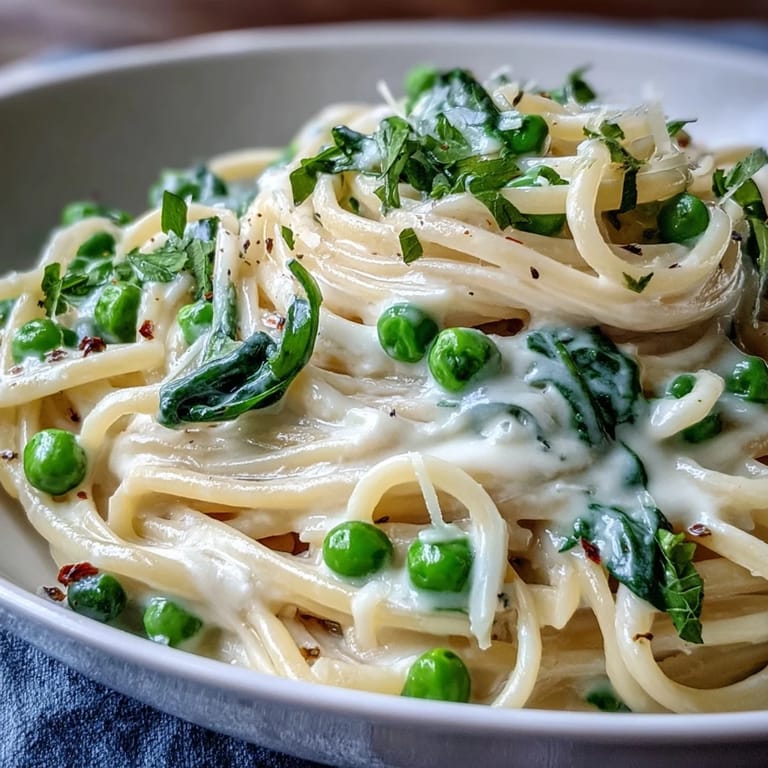 Pin This
 There was a moment after finishing the dish where everyone just paused, forks hovering, and savored the first bright bite. We toasted with chilled white wine, and the meal felt like more than dinner—it was a welcome to spring and everything new.
Making the Sauce Your Way
I learned that letting the lemon zest steep in the cream for a bit rewards you with a deeper citrus flavor. If you want the sauce thicker, simply stir longer and add less pasta water—easy tweaks make this recipe truly yours.
Choosing Your Greens
Once I ran out of spinach and grabbed arugula instead—the peppery sharpness changed the character of the dish but kept it fun. Even fresh herbs like basil, chopped in right before serving, can add a new twist based on what’s in your fridge.
Last Touches and Quick Fixes
Sprinkling a little extra chives on top brings an extra layer of freshness that’s sometimes overlooked. If you find the sauce too tangy, just add a bit more Parmesan or cream until it’s balanced to your taste.
- If the pasta dries out, a splash of pasta water revives it instantly.
- Taste and adjust seasoning before plating—there’s no going back.
- Zest the lemon over the dish right before serving for maximum aroma.
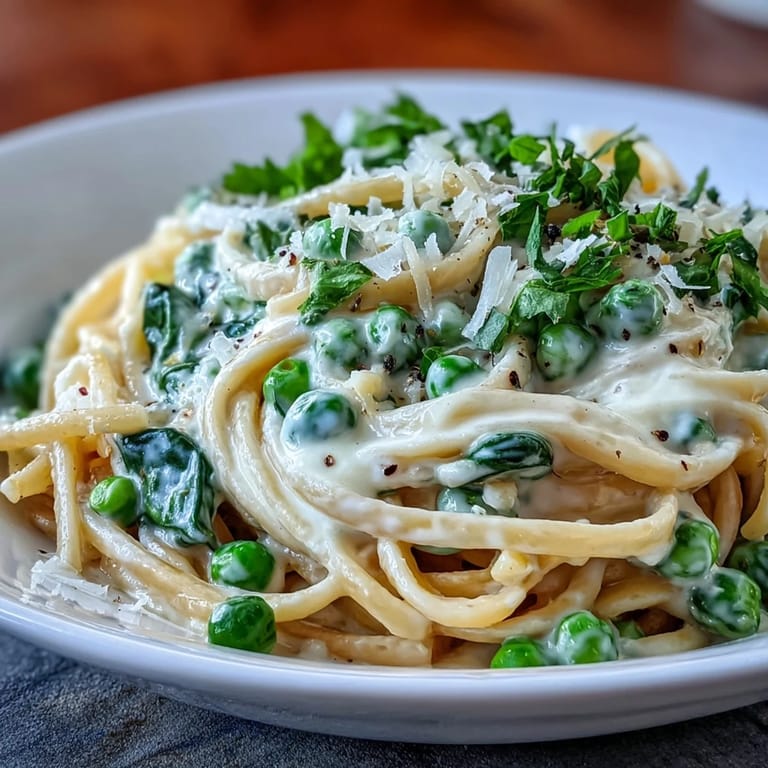 Pin This
 This pasta is cheerful enough to brighten any weeknight and elegant enough for friends. If you’re lucky, leftovers taste just as good the next day.
Frequently Asked Questions
- → How do I make the lemon cream sauce?
Melt butter, sauté garlic, then add cream, lemon zest, and juice. Simmer gently for a silky sauce.
- → Can I use frozen peas instead of fresh?
Yes, frozen peas work well. Just cook them slightly less—about 1–2 minutes—to keep them tender.
- → What pasta shapes are best for this?
Linguine and fettuccine work beautifully, but short pasta like penne or farfalle can also be used.
- → How can I adjust the consistency of the sauce?
Add reserved pasta water gradually when tossing the pasta to reach your preferred creaminess.
- → Are there vegetarian options for cheese?
Ensure your Parmesan is vegetarian-certified, or try Pecorino or a plant-based cheese alternative.
- → Can I add protein to the dish?
Sautéed shrimp or grilled chicken are great additions for extra protein and flavor variety.
- → What wine pairs well with this meal?
Crisp white wines like Sauvignon Blanc or Pinot Grigio complement the bright, citrusy flavors best.